Tell us a little bit about yourself
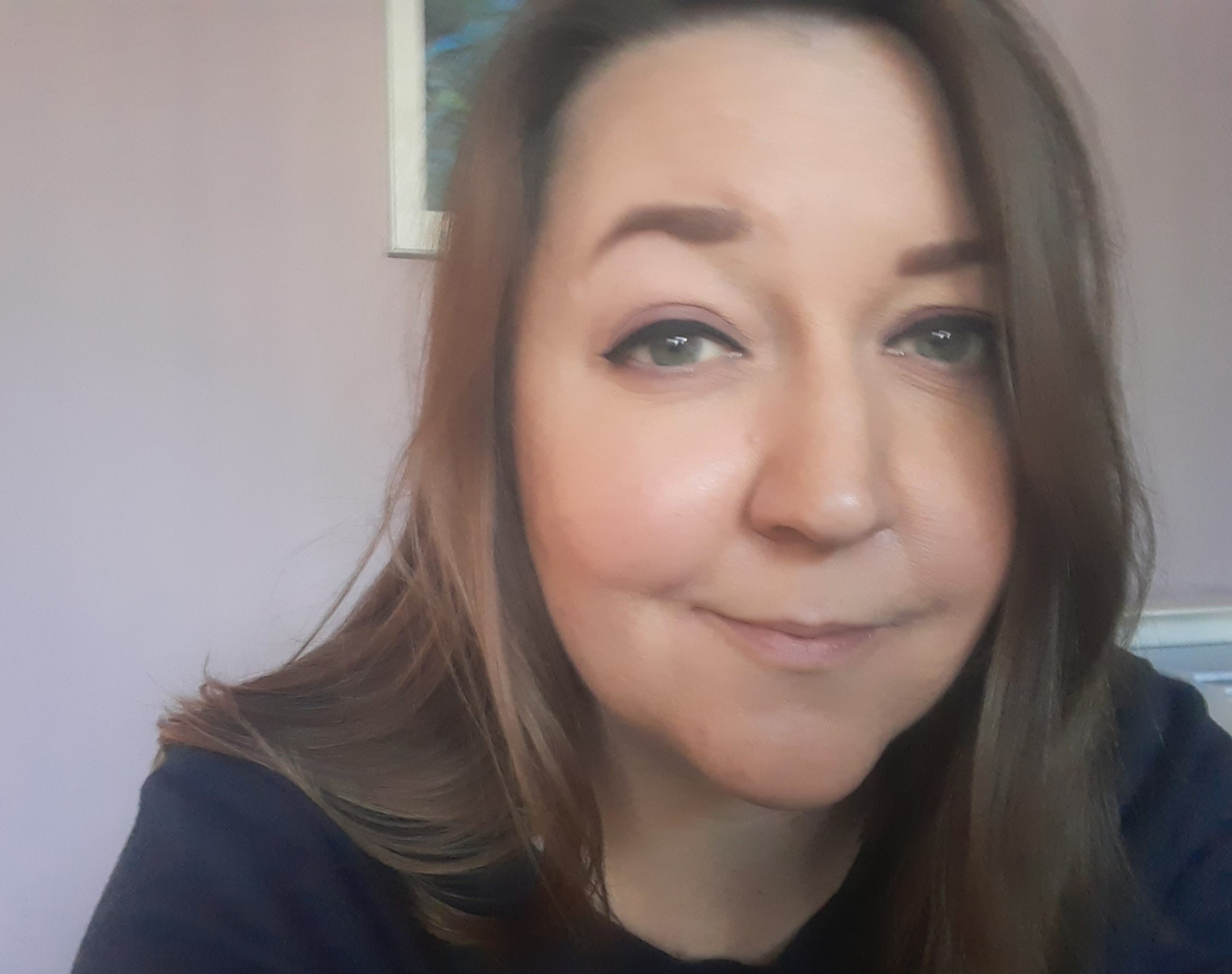
I live with my son Isaac (11) and my cat Arabella (Bella). Isaac is my absolute world. He’s the reason I decided to go to university as I want to inspire him to follow his dreams. I absolutely love watching documentaries, my favourite was about ordinance survey maps! I also have a slight obsession with James Blunt.
Tell us a little bit about your research
My research is focused on the political & religious thought of the Fifth Monarchy Men in England during the seventeenth century. They were a millenarian sect that believed it was their purpose to reform society ready for the second coming of Christ. The current historiography of the group has tended to concentrate on their religious ideas and has dismissed their engagement with political ideologies, such as republicanism.
What was it that got you interested in your current research topic?
I was researching for an essay during the first year of my BA and stumbled across the Fifth Monarchists. I found it strange that it was written during the time that they were ‘never to be forgotten sect’ and yet they have largely been forgotten. They have been overshadowed by other seventeenth century radical groups that have been considered by some historians to engage with political concepts that we are certainly more familiar with in modern society. The religious beliefs of the Fifth Monarchy Men do not fit comfortably within this secular narrative.
What has been the best/most enjoyable part of your PhD so far?
I recently delivered my first paper. This was originally due to take place in my first year but was delayed due to Covid-19 but thankfully I was able to present this online. I was extremely nervous and practically lost my voice practising my talk, but it was really enjoyable. I also got some really good feedback and advice on other avenues to pursue.
And what has been the most challenging?
Dealing with my guilt as a parent. There are often times when I will work over the weekend or during school holidays and I feel like a terrible Mam.
Has Coronavirus impacted your research?
Thankfully, most of my sources are available online but the first lockdown really impacted as the schools were closed and I had to take time to help Isaac with his schoolwork. The pandemic has also impacted my mental health much more than I thought it had. I think being away from my friends and away from the university I just felt like I wasn’t part of anything anymore. That’s why I am loving my role as series seminar co-ordinator I now feel like I am part of a community!
What would be your most important advice for someone just starting their PhD?
Be kind to yourself and DO NOT compare your PhD journey with anyone else’s
What are your post-PhD plans?
The dream is to be a lecturer.